FCL vs LCL for imports from Asia
For imports into the Port of Hamburg, FCL usually suits bigger, higher-value or time-sensitive loads, while LCL is the better fit for smaller or irregular shipments. The choice is usually decided by packed volume, handling risk and the total landed cost, not the ocean freight line alone.
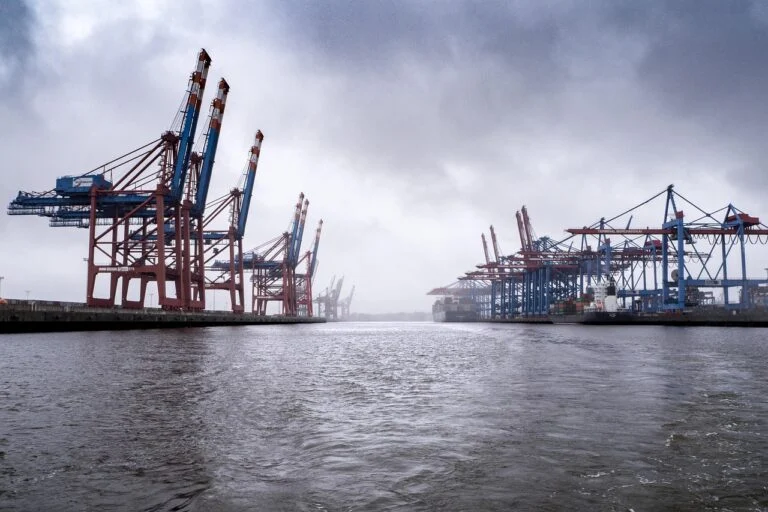
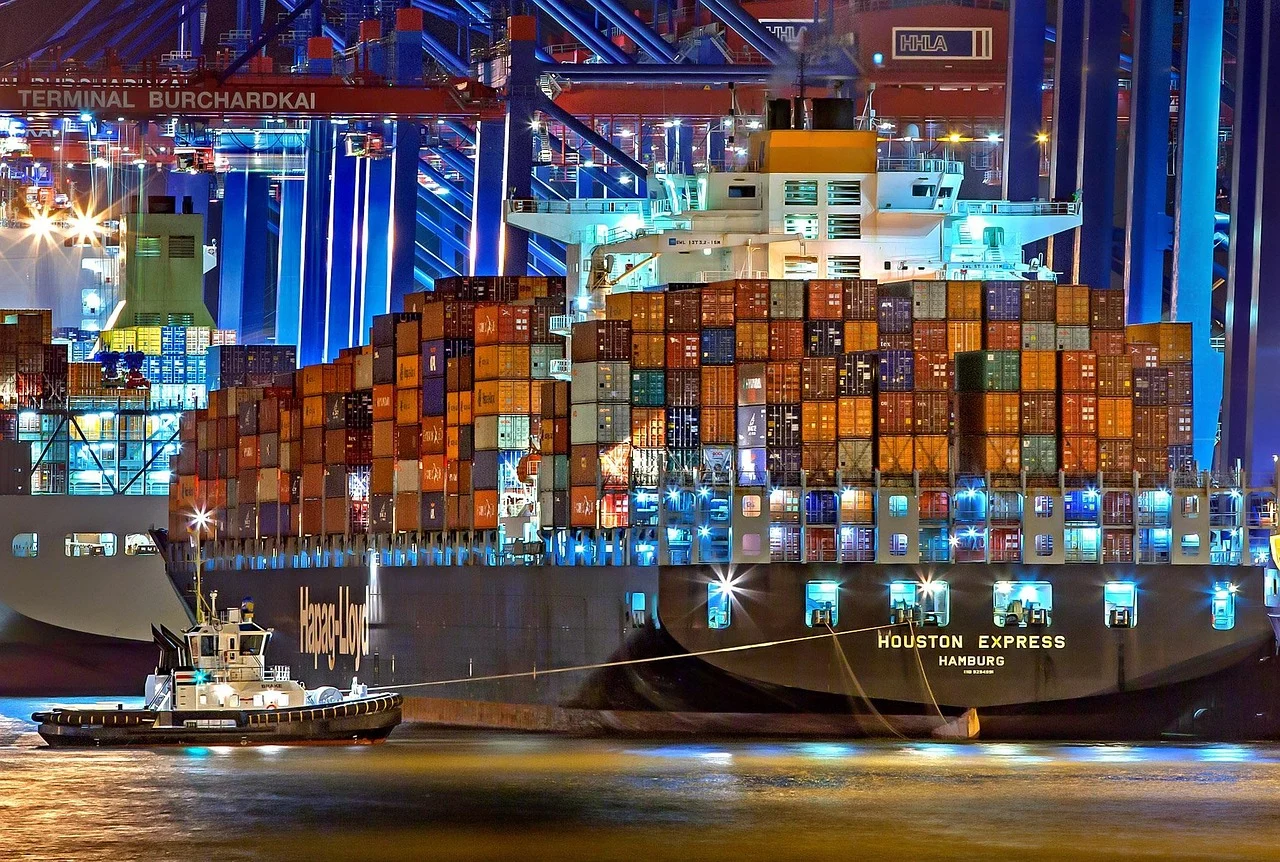
The Port of Hamburg plays a major role in import and export logistics for industry and trade in Hamburg and the metropolitan region. That makes the FCL vs LCL decision a practical one for SMEs bringing goods in from Asia.
If you want a quick first pass, use our CBM calculator. If you already know the carton or pallet mix, our container loading calculator helps you test the fit. For the shipment setup itself, see our sea freight service overview.
What FCL and LCL mean
FCL means full container load. You book the whole container for one shipment, even if it is not completely full. LCL means less-than-container load, where your cargo shares container space with other shippers and is consolidated at origin, then deconsolidated at destination.
That difference matters operationally. FCL usually gives you fewer handovers, one seal, and a simpler loading and unloading flow. LCL adds more touchpoints because the freight has to be grouped with other shipments and separated again. That does not make LCL wrong, it just means the process is more exposed to handling, terminal timing and local charges.
Maersk’s current guidance says LCL is generally used for smaller shipments under about 15 CBM or 2 to 3 pallets, while FCL is the better match for larger, high-volume, fragile, high-value or regulated cargo.
Start with volume, then test the fit
Volume in cubic metres, or CBM, is the fastest way to narrow the choice. As a rule of thumb, if your packed shipment is below about 15 CBM, LCL deserves a quote first. If you are closer to 15 CBM or above, FCL should be priced as well.
A 20 foot standard container has an internal capacity of 33.2 CBM according to Hapag-Lloyd. That means a 10 CBM shipment fills roughly 30% of the space, a 14 CBM shipment about 42%, and a 22 CBM shipment about two thirds of the box.
Those percentages are only a guide, because real packing depends on carton strength, pallet size, stacking height, void space and weight distribution. A shipment can be well below the container’s published capacity and still be awkward to load cleanly. That is why packed CBM, not theoretical CBM, is the figure you should quote to your forwarder.
Worked example. Say you are importing 14 CBM of boxed household goods from Ningbo to Hamburg. On volume alone, LCL still fits the usual LCL range because it is below 15 CBM. If the goods are fragile, urgent, seasonal or tied to one warehouse delivery slot, FCL can be worth the extra spend because the load stays together and there are fewer shared handling steps. If the same 14 CBM is low value, easy to stack and not time-critical, LCL is usually the more sensible spend.
Now change the example to 22 CBM. That is above the usual LCL threshold and begins to look crowded for a shared-container move. At that point, FCL normally gives you a cleaner operation, fewer handovers and a better chance of keeping the shipment on one delivery plan.
Cost is more than the ocean freight line
When buyers compare FCL vs LCL, the mistake is often to look only at the ocean freight rate. The full landed cost should include origin charges, container or handling charges, sea freight, destination charges, customs work, final delivery, and any storage if the timing slips.
LCL often looks cheaper at the quotation stage because you pay for the space you use. That can be true for a small load, but the extra consolidation and deconsolidation steps can narrow the gap once local charges are added. FCL often has the higher upfront container cost, but the per-unit cost falls as you fill the box.
Worked example. If two quotes land on your desk for the same 14 CBM shipment, LCL may show the lower ocean freight line. But if destination handling, warehousing waits and final delivery make the shared move slower or more expensive, the total landed cost can move closer to FCL. That is why the right comparison is a side-by-side quote for the same shipment, not a guess based on the sea freight headline.
When FCL usually wins
FCL is usually the better option when the cargo is high value, fragile, bulky or needed in one lot. It also suits shipments where the receiving team wants one container, one seal and one unloading slot. Maersk says FCL is typically preferred for higher-volume, high-value or time-sensitive cargo.
For imports into Hamburg, that often means machinery, retail replenishment, palletised stock, or product ranges that the warehouse wants to receive as one clean handover. If your shipment is close to a full container, FCL can also reduce the risk that one extra pallet turns a workable load into a more expensive shared-container move.
When LCL usually wins
LCL is usually the better fit for sample orders, spare parts, mixed cartons and trial runs. It also works well when order size changes from month to month and you do not want to wait until you have enough volume to fill a box.
LCL can also be the right answer when you need lower cash outlay and can accept more handling. That is common for SMEs testing a supplier, introducing a new SKU or shipping to several delivery points. The trade-off is that the cargo normally spends longer in terminals and passes through more stages before it reaches your warehouse.
A practical way to decide
Use this order of questions. First, is the shipment under about 15 CBM or 2 to 3 pallets. Second, is the cargo fragile, high value, urgent or tied to one exact delivery date. Third, do you need one sealed container or can you accept shared handling. Fourth, compare the full landed cost, not only the freight line. If three or more answers point towards control, speed or reduced handling, FCL usually wins. If the shipment is small and timing is flexible, LCL usually makes more commercial sense.
- Check the packed CBM, not the theoretical carton volume.
- Ask for the full landed cost at both FCL and LCL.
- Look at damage risk, stacking, and whether the cargo can move as one lot.
- Confirm cut-offs and local charges at origin and destination.
- If the goods are regulated or unusual, check with your customs broker.
Port rules, carrier cut-offs and local handling charges change often, so check with your customs broker if the goods are regulated or need special treatment. If you want a Hamburg-based forwarder for SMEs covering air, sea, road, customs and warehousing, TradeRoute EU replies to quote requests within 24 business hours. Send the shipment details through our contact page.
For a specific origin, see our lane pages: Shanghai to Hamburg, Shenzhen to Hamburg, Nhava Sheva to Hamburg and Karachi to Hamburg. Each lists the usual ports, transit times and customs notes.
Frequently asked questions
Is FCL always cheaper than LCL?
No. FCL is usually cheaper per unit once the container is well filled, but LCL can be cheaper for smaller loads because you only pay for the space you use.
Is LCL always slower?
Often, yes, because the freight has to be consolidated and later deconsolidated. The exact timing still depends on the routing and local handling at each end.
How do I know if my shipment is big enough for FCL?
Start with CBM. If the packed volume is around 15 CBM or more, FCL usually deserves a quote even if the container is not completely full.
Can I mix different products in one container?
Yes, if the products are compatible, correctly packed and properly declared. If the mix is unusual, check with your customs broker before booking.
Last checked: October 2026.
Sources
- Maersk: FCL vs LCL Shipping: Deciding the Best Fit for Your Shipment (accessed 4 October 2026)
- Hapag-Lloyd: Container Specification (accessed 4 October 2026)
- Port of Hamburg: Port of Hamburg (accessed 4 October 2026)