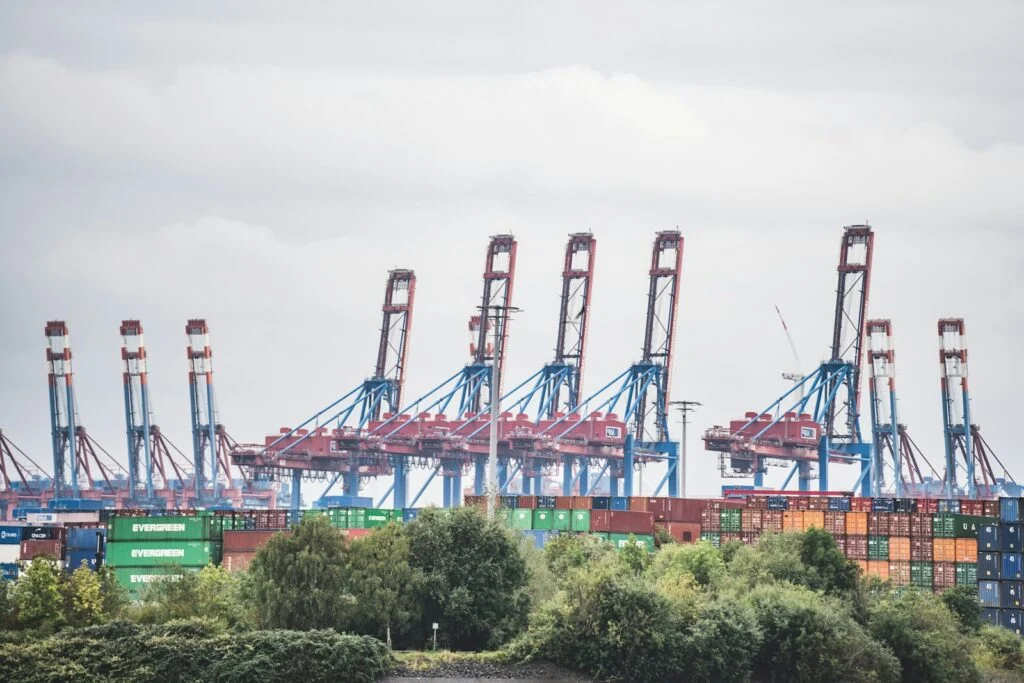
Shenzhen to Hamburg: sea freight and LCL for importers
Sea freight from the Shenzhen ports to Hamburg, for full containers and for smaller loads consolidated from several suppliers. We handle booking, German customs and delivery.
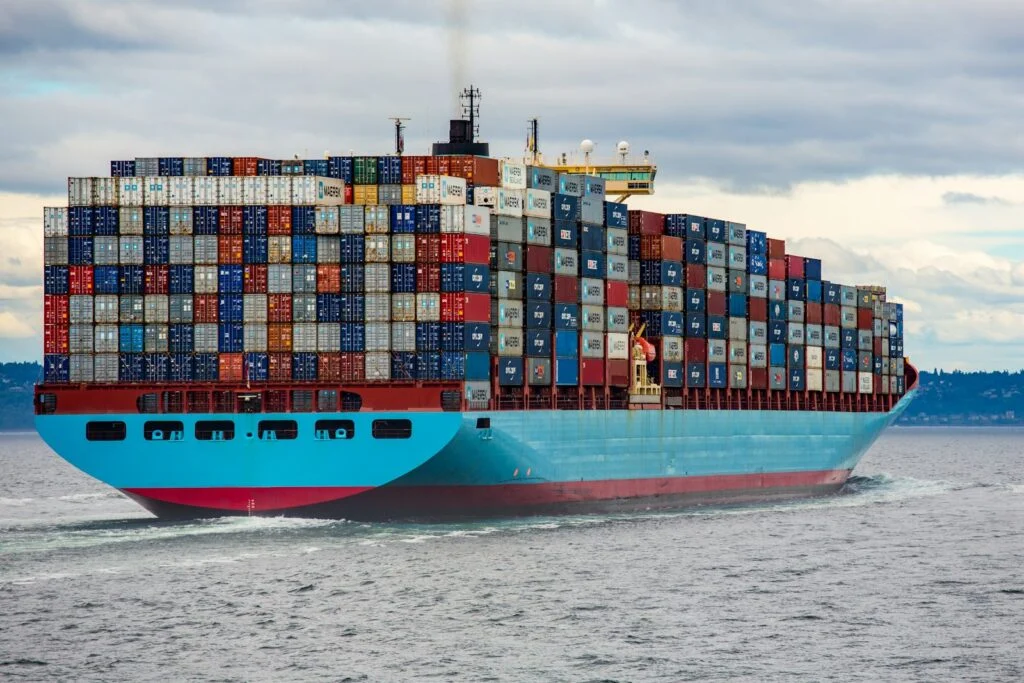
The lane in short
Typical values, not a quote. Dates and routing change with the carrier.
- Typical transit
- 30 to 40 days port to port via the Suez Canal. Add roughly 10 to 14 days when the ship goes around the Cape of Good Hope.
- Origin ports
- Shenzhen: Yantian (code CNYTN) and Shekou. Guangzhou Nansha is close by and often worth comparing for suppliers in the Pearl River Delta.
- Destination
- Port of Hamburg (DEHAM), with onward delivery by truck to Germany and the EU.
- Typical cargo
- Electronics and components, lighting, consumer goods, toys, e-commerce stock and accessories.
- Equipment
- 20GP, 40GP and 40HC for FCL. LCL is common here because orders often combine several suppliers.
How a shipment moves on this lane
Booking and collection
We book the sailing and arrange pickup from your suppliers. For LCL, each supplier delivers to a consolidation warehouse near Shenzhen.
Consolidation and export clearance
Goods from different suppliers are checked against the packing list, loaded into one container and cleared for export in China.
Ocean transit
The carrier issues the bill of lading. We follow the vessel and tell you if the arrival date moves.
Hamburg arrival and delivery
We file the German import declaration before arrival, split the cargo if it is LCL and deliver by truck to your address.
What to know on this lane
Check product compliance before the goods ship. Electronics usually need CE marking, and in Germany importers of electrical equipment and batteries have registration duties (WEEE and battery rules). Customs and market surveillance can stop goods that lack the required marking.
Consolidating several suppliers into one container needs a clean paper trail. Ask each supplier for its own invoice and packing list, marked with your purchase order number.
Small, valuable parcels such as electronics are worth insuring for their full value. The carrier’s liability is limited by law.
Customs value includes freight and insurance up to the EU border. Use the import duty and VAT calculator to see the landed cost before you place the order.
Customs and costs in Germany
Every importer needs an EORI number. The import declaration is based on the commodity code, the customs value and the origin. Import duty depends on the code, and German import VAT is 19 percent at the standard rate and 7 percent at the reduced rate. A VAT-registered business can normally reclaim import VAT.
Your price is made up of ocean freight, origin charges, terminal and handling charges in Hamburg, customs clearance, and delivery. We list each of them separately in the quote. Read more about customs clearance and sea freight, or run the numbers with the CBM calculator and the container loading calculator.
Questions about shipping from Shenzhen
How long does it take to ship from Shenzhen to Hamburg?
Typically 30 to 40 days port to port via the Suez Canal, plus pickup, export clearance and delivery at each end. Routing around the Cape of Good Hope adds roughly 10 to 14 days.
Can you combine goods from several suppliers in Shenzhen?
Yes, as LCL or as a consolidated FCL. Each supplier delivers to a warehouse near Shenzhen, where the goods are checked, loaded together and cleared for export.
Should I ship electronics by sea or by air?
Sea is much cheaper per kilogram and suits stock orders with time to plan. Air suits urgent or high-value items. See air freight. Lithium batteries need special declarations by either mode.
What do I need to import electronics into Germany?
An EORI number, the commodity code, a commercial invoice and packing list, and proof of product compliance such as CE marking. Check registration duties for electrical equipment and batteries with your customs broker.
Should I ship from Shenzhen, Hong Kong or Guangzhou Nansha?
It depends on where the supplier is based and how the cargo is packed. Shenzhen is usually the natural choice for factories in Shenzhen and Dongguan, Nansha can be closer for Guangzhou and Foshan, and Hong Kong is common when a consolidator works there. We can price the same shipment from two origins so you can compare the landed cost.
Shenzhen, Hong Kong or Nansha: choosing the origin port
Suppliers in the Pearl River Delta can often ship from more than one port. Where the goods are made and how the supplier packs them usually decides which port works best, so ask the supplier which ports it can use before you agree the shipping terms.
Shenzhen (Yantian and Shekou)
The natural choice when the factory is in Shenzhen or Dongguan, because the truck run to the port is short. Carriers serve North Europe from Yantian, but sailing schedules change, so check the current departure dates before you promise a delivery date to your own customers.
Hong Kong
Some suppliers and consolidators work from Hong Kong. Cargo from the mainland then crosses the border as a separate leg, so ask who handles the export paperwork and what the extra trucking and handling charges are. Add them to the quote before you compare it with a direct Shenzhen price.
Guangzhou Nansha
Worth comparing when the factory is nearer Guangzhou or Foshan than Shenzhen. A shorter truck run can offset a higher ocean rate or a different sailing day.
Send us the supplier location, the cargo size and your target date and we will price the same shipment from two origins. The ocean rate is only part of the cost: trucking, terminal charges and the days before the ship leaves all change the landed cost. For loads smaller than a container, the CBM calculator shows whether LCL or a full container is cheaper.
Other lanes
Shanghai to Hamburg, Nhava Sheva to Hamburg, Karachi to Hamburg. See all trade lanes.
Get a quote for Shenzhen to Hamburg
Send us the origin, cargo volume and weight, and the Incoterm. You will have an itemised quote within 24 business hours.