
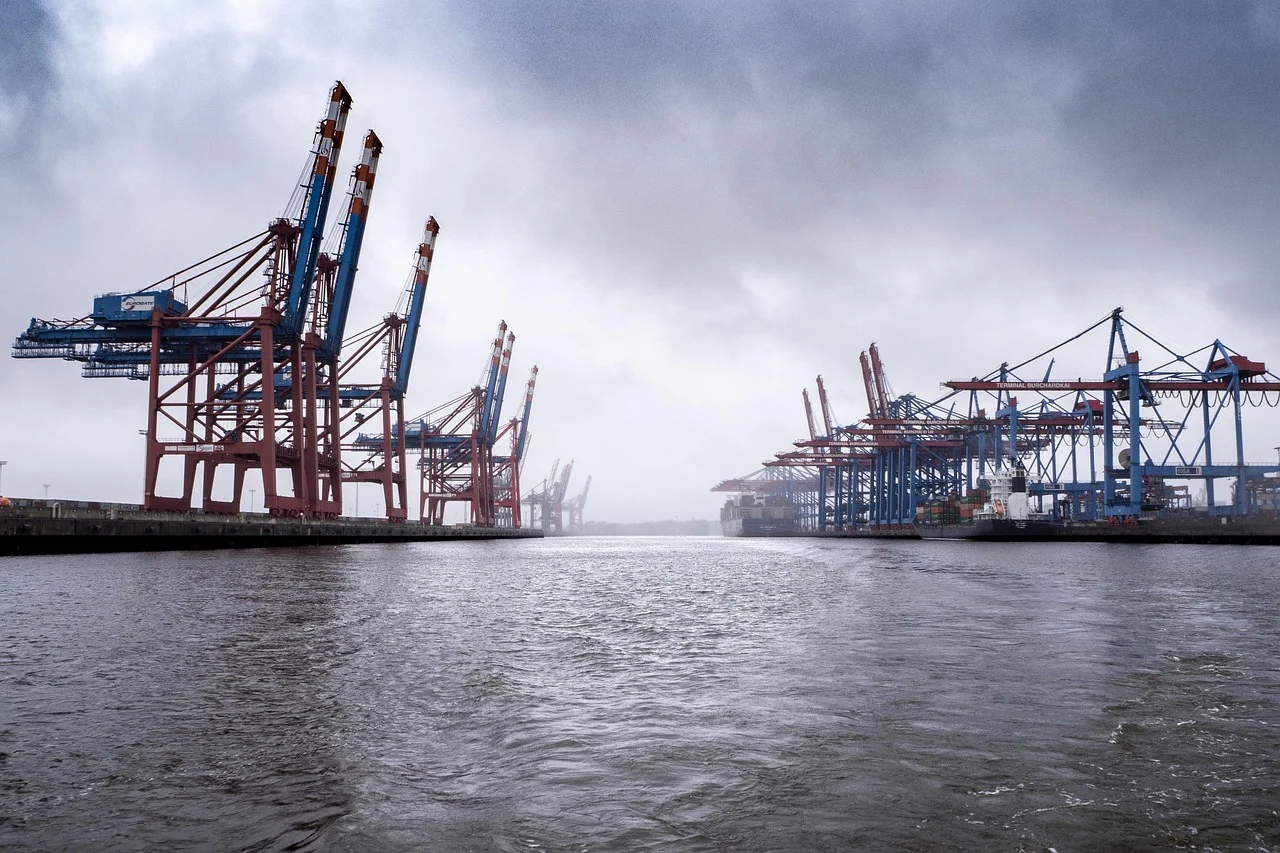
Shanghai to Hamburg import step by step
If you are shipping from China to Germany, the safest way is to line up the booking, documents, customs data, and inland haulage before the vessel sails from Shanghai. For an import into Hamburg, the clean handoff is usually: book the freight, prepare the papers, clear customs, then arrange delivery to your warehouse.
1. Book the shipment with the right cargo data
Start with the facts the carrier and forwarder need, shipper and consignee details, goods description, HS code, cartons, gross weight, dimensions, Incoterm, and the service type, FCL or LCL. If that data is wrong, the rest of the file usually follows it into trouble. For sea freight, we also need the full port pair, packing status, and cargo readiness date so the space booking matches the real shipment. You can see the type of information a forwarder needs on our sea freight service page.
Do not leave the tariff code until after booking. The code drives duty, restrictions, and the import paperwork that customs will expect. The European Commission notes that an import may also be subject to trade policy measures and other requirements, such as licences or certificates for controlled goods.
2. Prepare the export and transport documents
Before the container leaves Shanghai, the usual core set is the commercial invoice, packing list, and transport instructions for the bill of lading. For some goods you may also need product-specific papers, for example licences, declarations, or conformity documents. The customs declaration is the legal act that places the goods under an EU customs procedure, and it must match the cargo that arrives.
An EORI number is not optional for customs operations in the EU. The European Commission says it is mandatory for the clearance of customs operations in the EU, including import, export, and transit. If you do not already have one, arrange it before shipment, not after the vessel has sailed.
For ocean freight, the carrier or its agent also needs timely and accurate pre-arrival data. EU customs uses pre-arrival and pre-departure declarations for safety and security, so the paperwork has to be consistent before the container lands in Hamburg.
3. Check duty and VAT before the container lands
Import duty in the EU depends on the tariff code, customs value, and origin of the goods. Import VAT is separate. In Germany, the standard import VAT rate is 19 percent, with 7 percent for selected goods such as some food products and books. German Customs explains that customs duty and import VAT are calculated as separate charges.
For import VAT, the taxable amount includes the customs value of the goods, plus duties, taxes, and incidental expenses that were not already included in that customs value. The Commission also says transport and insurance costs up to the first place of destination in the EU country of importation can be part of the taxable amount. That is why freight from Shanghai to Hamburg has to be included when you estimate landed cost.
Use our import duty VAT calculator for a working estimate, then check the tariff code and origin treatment with your customs broker if the item is not straightforward. For anything sensitive, get the customs position right before the vessel arrives.
4. Get the customs declaration lodged and accepted
When the shipment reaches the EU, the declaration is normally lodged at the customs office where the goods are or will shortly be presented on entry into EU customs territory. The Commission also says a customs declaration is the official document giving details of the goods being imported or exported. In practice, that means Hamburg customs decides the import release, not the port of loading in China.
The timing matters for tax. The business responsible can apply to pay the duties applicable on the imported goods at the time the customs declaration was accepted. If the declaration is held back because the file is incomplete, the tax point moves with it. That is one reason we push to clear the document set before the container berths.
If the goods move through temporary storage or a customs warehouse, import VAT can be deferred until release into free circulation. That can help cash flow, but the procedure choice should be made before arrival, not after the box is already on the terminal. Check with your customs broker if you are unsure which procedure fits the shipment.
If you want a single team to handle the filing in Hamburg, our customs clearance service page explains the type of file we need.
5. Arrange delivery from Hamburg to your warehouse
After customs release, the last leg is inland transport. At that point, the practical work is container release, terminal charges, truck booking, and empty return. If your stock cover is tight, keep a close eye on free time so detention does not eat the margin on an otherwise good import. The exact cost exposure depends on the carrier, terminal, and time spent on the box, so we plan that leg as soon as the release timing is known.
For SMEs, it helps to have one point of contact across sea freight, customs, and delivery. TradeRoute EU is based in Hamburg and works with SMEs on air, sea, road, customs, and warehousing, and we reply to quote requests within 24 business hours. If you want to talk through a live shipment, use the contact page.
Worked example, how landed cost is built
Say you import machine parts from Shanghai with an invoice value of EUR 10,000. Freight and insurance to Hamburg cost EUR 1,200. If the tariff rate for your HS code is 0 percent, there is no customs duty, but you still need to calculate import VAT. The Commission says transport and insurance to the first place of destination in the EU can be part of the taxable amount, so the VAT base would be EUR 11,200. At Germany’s 19 percent import VAT rate, the tax due would be EUR 2,128.00. If customs duty applied as well, that duty would normally be added into the VAT base too.
This is why we ask for the HS code before we talk about landed cost. Two products that look similar can fall into different tariff lines, and that changes the tax bill, the papers, and sometimes the controls.
Practical checklist
- Confirm Incoterm, HS code, weight, dimensions, and cargo value before booking.
- Make sure invoice, packing list, and cargo details all match.
- Check that the importer has an EORI number.
- Prepare any product-specific licences, certificates, or declarations.
- Decide early if the goods should clear directly or move into a warehouse procedure.
- Check duty and import VAT before arrival.
- Line up Hamburg delivery as soon as release timing is known.
The same steps apply to other Chinese origins. Our lane pages for Shanghai to Hamburg and Shenzhen to Hamburg list the usual ports, transit times and customs notes.
Frequently asked questions
How long does shipping from Shanghai to Hamburg take?
Transit time varies by carrier, route, transhipment, and port conditions, so build your plan around the sailing window and keep buffer stock. Do not treat one quoted transit time as fixed.
Do I always pay import duty in Germany?
No. Duty depends on the tariff code, origin, and any preferential treatment. Some goods have a 0 percent rate, while others do not. Import VAT is separate and normally still applies.
Can I file customs before the container arrives in Hamburg?
Yes, the declaration can be prepared in advance, but customs acceptance depends on the goods being presented correctly. In other words, the file can be ready before arrival, but release still depends on the presentation and the quality of the data.
What causes delays most often?
The usual cause is document mismatch, for example the invoice, packing list, tariff code, or EORI data not lining up with the cargo. That is more common than a problem with the sailing itself.
Last checked: October 2026.
Sources
- European Commission: Economic Operators Registration and Identification number (EORI) (accessed 6 October 2026)
- European Commission: Customs operations (accessed 6 October 2026)
- European Commission: Customs declaration (accessed 6 October 2026)
- European Commission: Importation (accessed 6 October 2026)
- European Commission: Taxable amount (accessed 6 October 2026)
- German Customs: Assessment of taxes and duties (accessed 6 October 2026)
- German Customs: Calculation example for import VAT (accessed 6 October 2026)
- European Commission: Guidance on customs formalities on entry and import into the EU (accessed 6 October 2026)
- TradeRoute EU: Sea freight (accessed 6 October 2026)
- TradeRoute EU: Customs clearance (accessed 6 October 2026)
- TradeRoute EU: Import duty VAT calculator (accessed 6 October 2026)
- TradeRoute EU: Contact (accessed 6 October 2026)