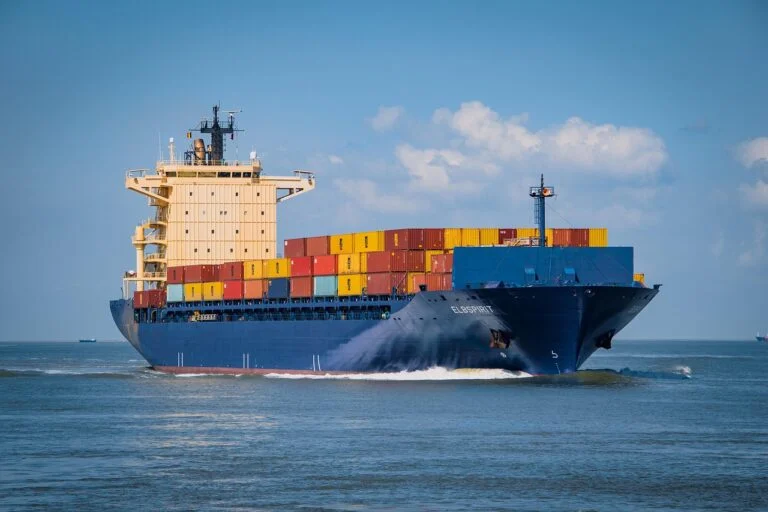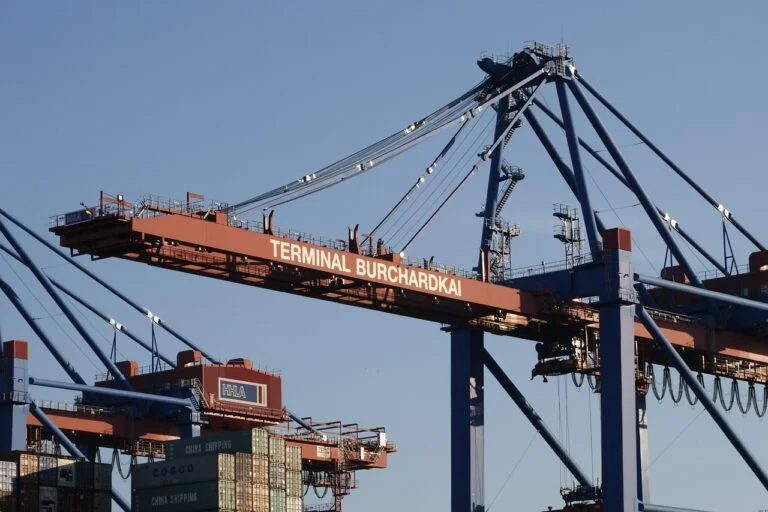

Asia-Europe rates firm as carriers test FAK hikes
What changed this week is straightforward. After a long slide through the summer and early autumn, Asia-Europe container rates have started to firm again, and carriers are using October to test higher FAK levels. If you import from China, India or Pakistan into Hamburg, that matters because the ocean freight line in your landed cost model may stop drifting lower just as you are fixing year-end cover.
The move is not a huge spike, but the direction has changed. Drewry said its World Container Index rose 3% to $4,485 per 40ft on 15 October 2026, with the increase led by Asia-Europe. Drewry also said carriers are trying to push FAK rates to $4,500 to $4,800 per 40ft on the Asia-Europe route from 19 October. That is the signal worth watching if you are buying spot space, extending a short contract, or trying to decide how long to hold off on a booking.
Why Hamburg shippers should care
For an importer, the problem is rarely one dramatic rate jump. It is the timing. A week of firmer quotes can reset the floor for the next round of bookings, especially if your cargo is moving on a regular weekly plan and the supplier is asking for a quick loading slot. Once carriers see that they can hold rate levels, they tend to press harder on the next allocation window.
The practical impact shows up in three places. First, your freight budget for the final quarter can move up before you have finished your purchase orders. Second, ad hoc bookings become harder to price with confidence. Third, the gap between a spot quote and a short term deal can narrow, which makes the booking decision more awkward for smaller importers that do not have large annual commitments.
That is why this is more useful than a general market headline. You do not need a full market reset to feel the effect. A firmer price tone on Asia to North Europe can alter the way procurement and logistics teams decide when to ship, how much cover to take, and how much room to leave in the sales margin.
What is behind the change
The Loadstar reported on 16 October 2026 that Asia-Europe spot rates were rising ahead of new FAK hikes, after three months of falling freight rates on the trade. It said carriers were preparing October increases while the market was still working through post peak season weakness. That mix, a weaker demand backdrop but firmer rate attempts from lines, is often enough to stop the market from falling further.
There is also a service pattern point. The Loadstar noted that increasing use of Suez routing was helping effective capacity recover, even though blank sailings were still part of the picture. For shippers, that means the network is changing, but not in a clean or simple way. More capacity via Suez can support better options, yet blank sailings and carrier discipline can still keep a floor under prices.
So far, this looks more like a reset after weakness than a full blown rally. Still, if you are planning arrivals into Hamburg for late October or November, the shift matters. A small change in freight levels can alter the economics on repeat cargo, especially if your products are low margin or your customer has fixed shelf price commitments.
What to watch over the next two weeks
The next question is whether the higher FAKs actually stick. Some carrier announcements never translate into the market as quoted, but some do, and once the first few bookings clear at a higher number, the rest often follow. Watch the next round of spot quotes closely, along with any new notices for November sailings.
You should also watch space. If the market firms while blank sailings continue, the rate tone can tighten faster than the headline index suggests. That matters most for cargo with a fixed delivery window, because the cheapest quote is no help if the sailing does not work for your production line or stock plan.
If your shipment is time sensitive, ask for a quote that shows both the immediate sailing and the next available option. You may find the gap is wider than last week, and that is usually the first clue that the market has turned.
What to do now
If you are importing into Hamburg from Asia, review open bookings now and check which cargo can still be fixed before the next rate step. Ask for split pricing, one quote for immediate shipment and one for the next sailing window, so you can see the real movement rather than one headline number. If you are holding back on a booking, be clear on the latest free time, supplier readiness, and any warehouse space limits at destination.
If your routing may change, check your paperwork with your customs broker, especially where transhipment points or arrival timing shift. And if you need a quick view on an ocean, air, road, customs or warehousing move, TradeRoute EU, based in Hamburg and working with SMEs, replies to quote requests within 24 business hours. You can contact us here: https://traderoute-eu.com/contact/.
Sources
- Drewry: World Container Index assessed by Drewry (accessed 19 October 2026)
- The Loadstar: Shippers face rate hikes and ‘a classic supply-demand mismatch’ in Q4 (accessed 19 October 2026)